

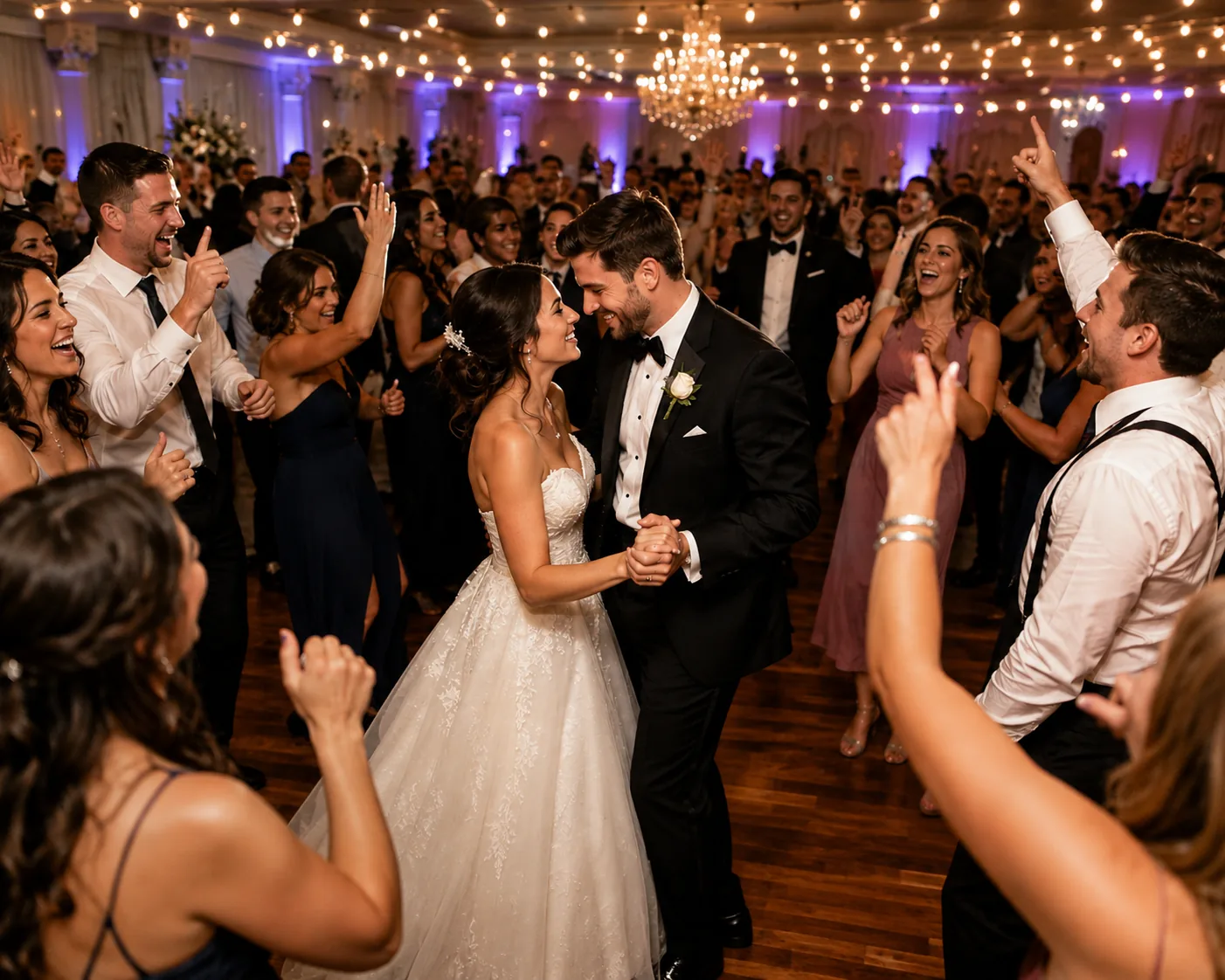
Planning a wedding reception timeline often brings couples to a classic crossroads: what do you do about cultural traditions that might divide the room? Among the most debated is the Apron Dance (also widely known as the Dollar Dance or Money Dance).
Whether this ritual feels like a heartwarming celebration of heritage or an awkward etiquette hurdle depends entirely on your family roots, guest expectations, and vision for the night.
What Is the Apron Dance?
Deeply rooted in Polish and Eastern European heritage—with close cousins in Italian, Mexican, and Filipino traditions—the apron dance typically features the maid of honor or mother of the bride placing an apron over the bride’s gown.
Guests form a line, pay a small cash contribution (traditionally tossed into the apron’s pockets or pinned to a sash), and take turns sharing a quick, 30- to 60-second dance with the bride or groom. In classic Polish tradition, the dance is fueled by lively polka music, shots of schnapps for participants, and a final climax where the groom rushes the dance floor, throws in his wallet, and “steals” the bride away.
Why You Should Keep It
- Honoring Cultural Heritage: For families with strong Polish, Ukrainian, or Mediterranean roots, skipping the apron dance can feel like leaving out the first dance. Older relatives often anticipate it as the emotional high point of the reception.
- Dedicated One-on-One Face Time: With 150+ guests in the room, it can be nearly impossible to talk to everyone. The dance guarantees a brief, personal moment to hug and laugh with cousins, grandparents, and longtime family friends.
- High-Energy Group Fun: When everyone is familiar with the tradition, it becomes a chaotic, laughter-filled spectacle that brings generations together on the floor.
- A Built-in Honeymoon Fund: While not the primary focus, the dollars add up to fun extra spending money for the couple’s upcoming trip.
Why You Might Want to Skip It
- Etiquette Concerns for Unfamiliar Guests: If half of your guest list has never heard of an apron dance, asking for cash on the dance floor can easily be misinterpreted as a tacky cash grab.
- The Dance Floor Momentum Killer: An apron dance can take 15 to 30 minutes. Halting open dancing to manage a queue can derail a high-energy party atmosphere and send non-participating guests straight back to their seats.
- Stage Anxiety: Standing in the center of the room while a queue forms can feel awkward or stressful if you prefer not being the center of extended attention.
How to Modernize It (The Middle Ground)
If you love the heritage but worry about the flow, you don’t have to choose all-or-nothing:
- Cap the Time: Limit it to two or three upbeat songs rather than dancing until every guest has cycled through.
- Swap the Cash: Have guests drop written marriage advice, date-night ideas, or raffle tickets into the apron instead of dollars.
- Donate the Proceeds: Announce that all collected funds will go toward a favorite charity or animal rescue.
The Secret Ingredient: The Right MC
If you decide to do the apron dance, execution is everything. An experienced Maryland DJ knows how to read the room, explain the cultural meaning over the mic so uninitiated guests feel welcomed rather than confused, and keep the line moving smoothly without killing the reception’s energy.
Ultimately, your reception should reflect who you are as a couple. If dancing in an apron with your closest family honors your roots, embrace it proudly; if it creates stress, skip it and keep the dance floor packed your own way.
The rest of your program answers the same question about timing: plan when to do wedding toasts, and decide whether games at your reception fit the night you want.